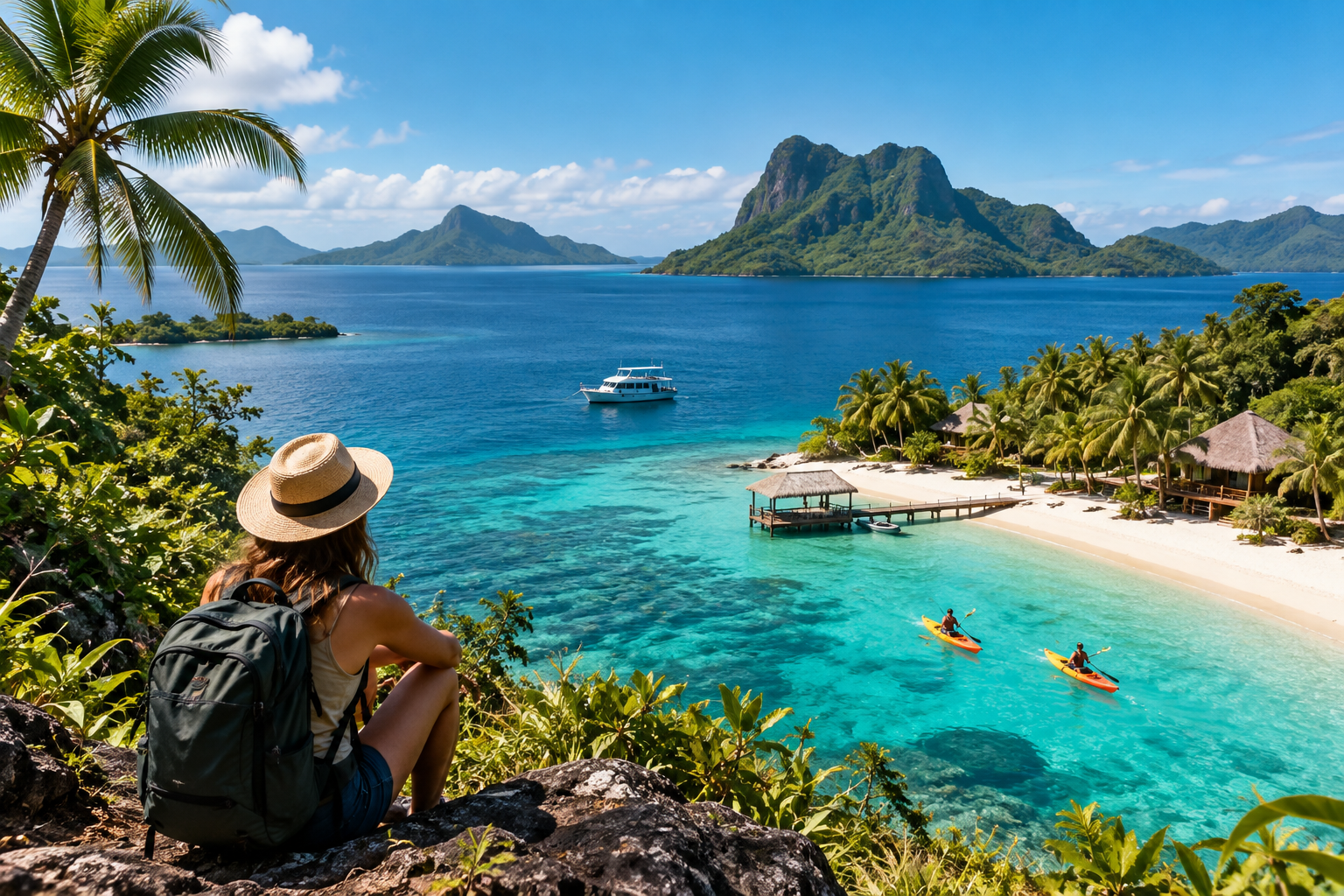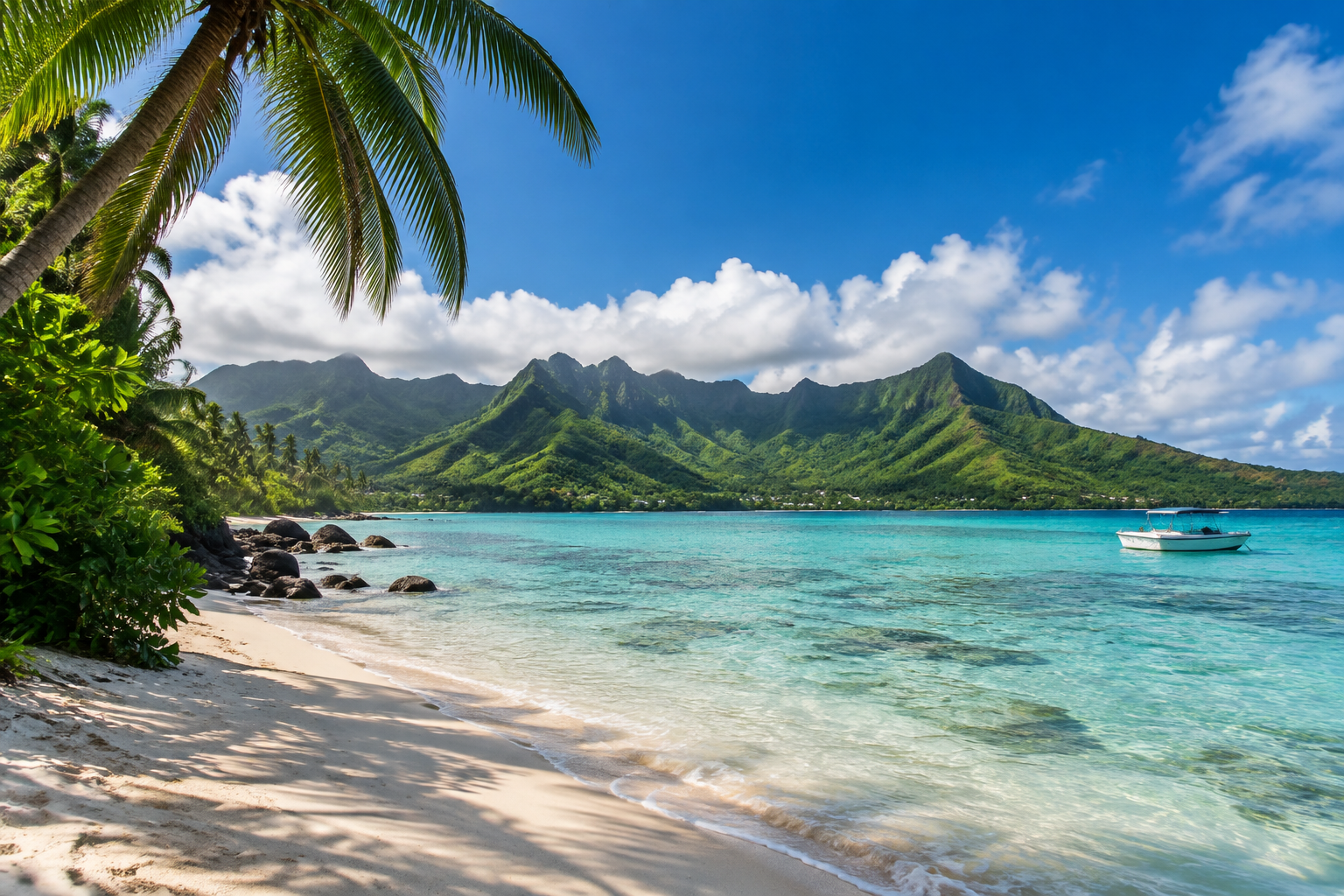
Rarotonga is the largest and most visited island in the Cook Islands, a self-governing country in free association with New Zealand. It is known for its volcanic interior, encircling reef, lagoon beaches and the settlements spread around a single main island road. A holiday here can be as active or unhurried as you choose: visitors may spend their days swimming and snorkelling, exploring villages, walking inland trails or simply enjoying a slower pace.
Rarotonga is not a destination where every experience needs to be scheduled in advance. However, thoughtful planning is useful because flight schedules, accommodation availability, weather, transport options and entry requirements can vary. The best trip depends on what you want from an island holiday rather than on following a single standard itinerary.
Is Rarotonga right for your holiday?
Rarotonga may suit travellers who want a relatively compact island with a mix of beaches, lagoon activities, local food, nature and cultural experiences. It can work well for couples, families, solo travellers and visitors combining it with another Cook Islands destination.
It may be less suitable if you are looking for a large resort complex, extensive nightlife, major shopping centres or a densely packed sightseeing schedule. The atmosphere is generally relaxed, and some services operate on island time. That slower pace is part of the appeal, but it is worth choosing Rarotonga with realistic expectations.
When to visit Rarotonga
Rarotonga has a warm tropical climate throughout the year. Conditions can change by season, and rainfall, wind, humidity and ocean conditions may affect outdoor plans. The drier or busier part of the year is often preferred by travellers seeking dependable beach time, while other periods may offer a quieter experience and different accommodation availability. Tropical weather is never completely predictable, so flexible planning remains sensible at any time of year.
Before booking, compare:
- Typical weather conditions during your proposed travel dates.
- School holidays and peak travel periods in your departure market.
- Flight frequency and connection times.
- Accommodation cancellation terms.
- Whether planned lagoon or hiking activities can be moved if weather changes.
Check official Cook Islands tourism, immigration and transport sources for current entry rules, arrival procedures and travel advisories. Requirements can depend on nationality, passport validity, onward travel, health measures and the length and purpose of the visit.
How long should you stay?
A short stay can cover the main coastal areas and allow time for a lagoon outing, a few relaxed beach days and one or two inland or cultural activities. A longer stay gives you more flexibility to wait for suitable weather, explore different parts of the island and avoid turning every day into a schedule.
Consider a longer visit if you want to:
- Include several water-based activities.
- Take an inland walk or guided nature excursion.
- Spend time at local markets, churches, cultural performances or community events.
- Build in rest days after international travel.
- Combine Rarotonga with another island in the Cook Islands.
Where to stay in Rarotonga
Because Rarotonga is compact, location is important but rarely determines whether the whole holiday is successful. The right area depends on your preferred beach, transport arrangements, budget, dining plans and tolerance for travel time.
Muri and the south-east
Muri is widely associated with lagoon scenery and water-based activities. It can be a convenient choice for travellers who want easy access to restaurants, excursions and a well-known beach area. It may also feel busier than more secluded parts of the island, particularly during popular travel periods.
Avarua and the north
Avarua is the island’s main town and a practical base for shops, banks, markets, government services and some dining. It may suit visitors who want access to everyday facilities or plan to explore the island rather than remain near one beach.
The west and south-west
These areas may appeal to visitors seeking sunsets, a quieter setting or accommodation close to beaches on the western side. Check the exact location rather than relying only on an area name, as walking distances and nearby facilities can differ.
The inland and other coastal areas
Staying away from the busiest beach centres can provide a more residential or peaceful atmosphere. You may need to arrange transport more carefully and allow extra time to reach restaurants, activities or shops.
When comparing accommodation, look beyond photographs. Check whether the rate includes breakfast or equipment, whether air conditioning or fans are provided, the availability of cooking facilities, access to swimming water at different tides, internet reliability, cancellation conditions and the distance to food shops.
Getting around Rarotonga
The island is encircled by a main coastal road, with an inland route in parts. Travel times are generally manageable, but traffic, road conditions, weather and local events can affect journeys.
Scooters and motorcycles
Scooters are a popular way to explore, but they are not automatically the best choice for every traveller. Confirm the licence, permit, training, insurance and rental requirements that apply to you before hiring one. Wear an approved helmet, avoid riding after drinking, take extra care in rain and darkness, and do not assume that an overseas licence is sufficient.
Buses
Bus services can be useful for visitors who do not want to drive. Timetables, routes, operating hours and payment arrangements may change, so check current information locally rather than relying on an old guidebook. Allow additional time where services are infrequent.
Bicycles and walking
Walking or cycling can be enjoyable around nearby coastal areas, especially in cooler parts of the day. Distances, heat, humidity, road traffic and limited shoulders can make longer rides more demanding than they appear on a map. Carry water and use sun protection.
Rental cars and taxis
A car can be useful for families, groups or visitors with mobility requirements. Taxis may suit airport transfers or occasional evening trips, but availability and fares should be confirmed in advance. Ask accommodation providers about reputable local transport options.
Best things to do in Rarotonga
Swim and snorkel in the lagoon
Lagoon conditions vary with tide, wind and weather. Choose marked or recommended swimming areas, follow local advice and never treat calm-looking water as risk-free. Reef shoes may be useful in some locations, but they do not replace care around coral, rocks or marine life.
Take a lagoon excursion
Boat trips may combine snorkelling, sightseeing and a meal or cultural presentation. Compare what is included, the trip duration, transfer arrangements, weather policy, equipment, group size and accessibility. If you are prone to seasickness, ask about the vessel and consider appropriate preparation.
Explore the island by road
A circuit of the coastal road is an easy way to understand the island’s geography and find beaches, villages, viewpoints, cafés and small local businesses. Leave time to stop rather than treating the journey as a race around the island.
Walk in the interior
Rarotonga’s mountainous interior offers a different experience from the coast. Some routes are steep, slippery or exposed to changing weather and may be better undertaken with a qualified local guide. Assess your fitness, footwear, water supply and navigation ability. Tell someone your plans and avoid entering restricted or private areas.
Visit local markets and food venues
Markets and locally owned eateries are good ways to sample island produce and support the community. Opening days and hours may vary. Carry suitable payment options, keep valuables secure and be patient if service is deliberately unhurried.
Learn about Cook Islands culture
Cultural performances, churches, museums, craft outlets and community events can add depth to a beach holiday. Ask before photographing people, ceremonies or private property. Dress respectfully when visiting churches or villages, and follow any guidance from hosts and organisers.
Food and drink
Rarotonga offers local dishes alongside familiar international food. Seafood, tropical fruit and other island ingredients may feature prominently, although availability can depend on supply and season. Visitors with allergies or dietary requirements should communicate clearly and carry a written explanation where useful.
Tap-water advice can vary by location and current conditions. Ask your accommodation provider or local health authorities whether tap water is suitable for drinking, and use sealed or appropriately treated water if advised.
Budgeting for a Rarotonga holiday
The total cost depends on flights, accommodation type, travel dates, transport, activities, dining habits and how much equipment you hire. Rather than budgeting only for the room and airfare, allow for:
- Airport transfers and local transport.
- Meals, drinks and groceries.
- Boat trips, guided walks and cultural activities.
- Equipment hire and any applicable permits or licences.
- Travel insurance, including cover for planned activities.
- Mobile data, foreign-exchange fees and card charges.
- A contingency for weather-related changes or delayed transport.
The New Zealand dollar is commonly used in the Cook Islands. Confirm current payment and cash-access arrangements before departure, because card acceptance, ATM availability and fees can differ between businesses and locations. Do not assume every small vendor accepts cards.
What to pack
- Light, breathable clothing and swimwear.
- Sun protection, including sunscreen, sunglasses and a hat.
- Reef-safe or locally recommended water footwear where appropriate.
- Insect repellent and any personal medicines.
- A lightweight rain layer and a dry bag for electronic items.
- Comfortable shoes with good grip for walking.
- Reusable water bottles and a small day bag.
- Copies of important documents, stored securely and separately from originals.
Pack clothing suitable for visiting churches and community spaces. If you plan to ride a scooter, confirm whether your rental provider supplies suitable protective equipment and whether you need to bring anything yourself.
Health, safety and responsible travel
Travel insurance is worth considering, particularly if your plans include scooter riding, boating, hiking or other activities. Read the policy conditions rather than assuming all island activities are covered. Check exclusions relating to licences, helmets, alcohol, pre-existing conditions, weather disruption and medical evacuation.
Use sun protection, stay hydrated and take breaks from heat. Seek professional medical advice before travel if you have a health condition, require regular medication or are unsure about recommended vaccinations or precautions. Bring enough essential medication for the trip and keep it in its original packaging where possible.
Ocean and weather conditions can change quickly. Follow lifeguard, operator and local safety instructions, and do not snorkel or swim alone in unfamiliar conditions. Keep valuables secure, take care on roads and avoid driving or riding when impaired.
Responsible travel includes reducing single-use plastic, conserving water and electricity, avoiding damage to coral, not touching or feeding marine life, disposing of waste properly and supporting locally owned businesses. Respect customary practices, private land and community boundaries.
A practical sample itinerary
This outline is deliberately flexible and should be adjusted for weather, energy levels and opening times.
- Arrival day: Transfer to your accommodation, buy essentials and take a short walk near your base.
- Coastal orientation: Explore nearby beaches and villages, then enjoy a relaxed meal.
- Lagoon day: Join a suitable boat or snorkelling trip, keeping a backup plan for poor conditions.
- Island exploration: Travel around the coastal road and stop at local food, market or cultural venues.
- Inland experience: Take a guided walk or another land-based activity suited to your fitness and the weather.
- Flexible day: Repeat a favourite beach, rest, shop for gifts or move an activity postponed earlier.
- Departure: Allow enough time for transport, check-out and airport procedures.
Questions to answer before booking
- Do I want a quiet base, easy access to activities or proximity to shops and restaurants?
- Will I need a scooter, car, bus or mainly short walks?
- Does my travel insurance cover the activities I intend to book?
- What happens if a lagoon trip is cancelled because of weather?
- Are my passport, entry documents and onward travel arrangements in order?
- Can my accommodation meet dietary, accessibility or medical needs?
- Do I have a realistic plan for cash, cards and communication?
Frequently asked questions
Is Rarotonga suitable for a first-time Pacific traveller?
It can be. The island offers a relatively straightforward combination of accommodation, transport, beaches and organised activities. First-time visitors should still check entry requirements, plan airport transfers and allow for a slower service rhythm than they may be used to.
Do I need to hire a scooter?
No. Scooters are convenient for some visitors, but buses, bicycles, taxis, rental cars and accommodation-based transfers may provide alternatives. Choose according to your licence eligibility, confidence, road experience, weather and insurance cover.
Can I visit Rarotonga without booking activities in advance?
Often, some activities can be arranged after arrival, particularly outside busy periods. Advance booking is sensible for limited-capacity excursions, airport transfers, specialist guides and dates when flight loads or accommodation occupancy may be high.
Is Rarotonga a good destination for families?
It can suit families who choose accommodation with appropriate facilities and select activities based on children’s swimming ability, age, supervision needs and tolerance for heat. Check water conditions, boat policies, car-seat availability and medical access before booking.
What should I do if it rains?
Keep a flexible itinerary. Rainy periods can be used for markets, cultural venues, food experiences, reading, short drives or rest. Some outdoor activities may proceed in light rain, but operators should make the final safety decision.
Can I combine Rarotonga with another Cook Islands island?
Possibly, depending on available domestic connections, schedules, baggage rules and your total travel time. Check current inter-island transport information before committing to non-refundable arrangements, and leave contingency time between separate bookings.
Final planning advice
The most rewarding Rarotonga holidays balance a few planned highlights with unstructured time. Choose accommodation based on how you actually want to spend your days, confirm transport and entry details using current official information, and leave room for changing island conditions. With respectful behaviour, sensible preparation and realistic expectations, Rarotonga can provide both a memorable tropical escape and a meaningful introduction to Cook Islands life.
Disclaimer: This article provides general travel information, not immigration, medical, legal or insurance advice. Entry rules, transport schedules, health guidance, prices, weather conditions and operator policies can change. Confirm current details with official Cook Islands authorities, your travel provider, accommodation and a qualified professional where appropriate.